Loading...
Serving Hickory, NC and surrounding areas. (828) 282-0670
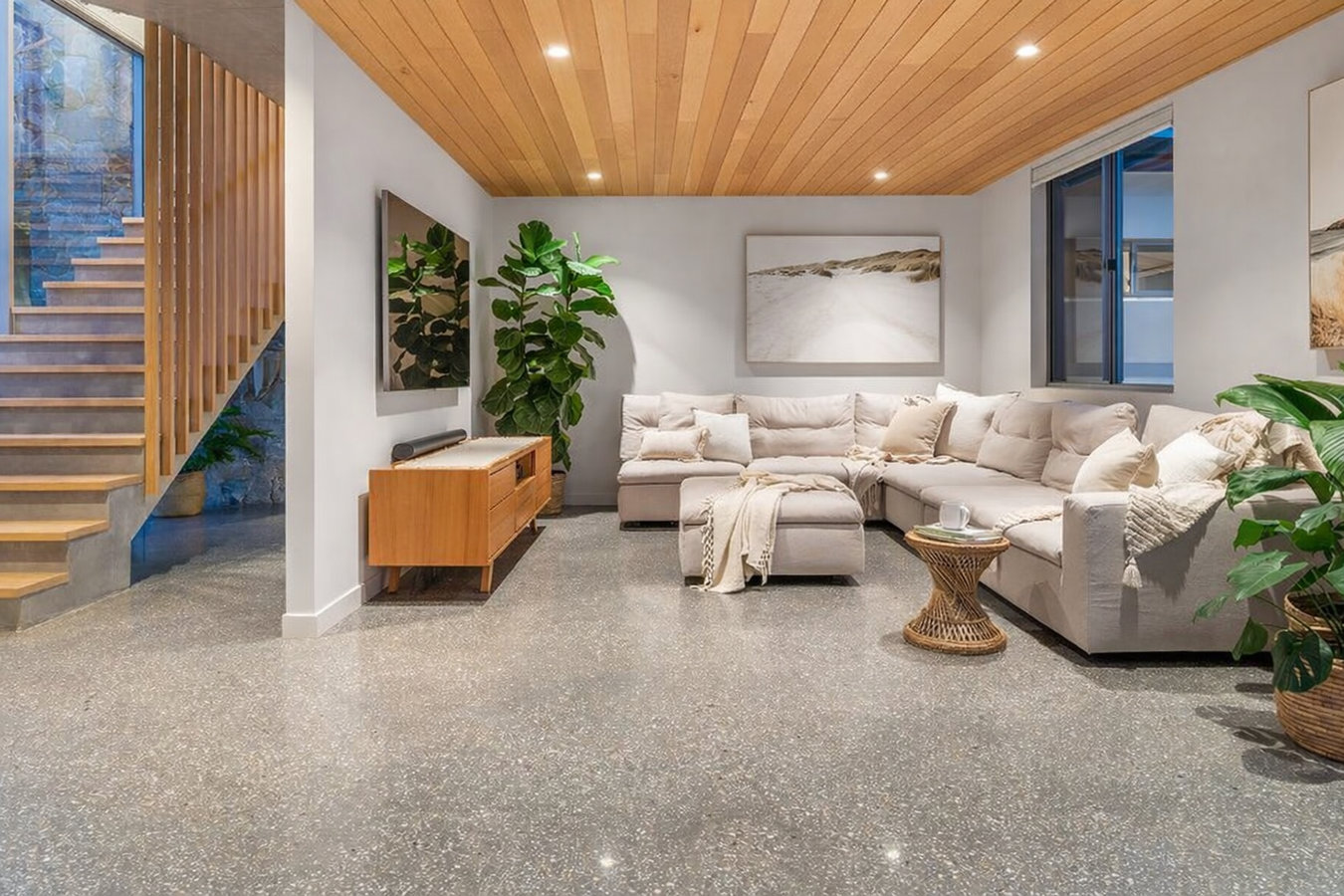
Cracked, uneven, or damp concrete floors in Hickory garages and basements often trace back to poor subbase prep. We build floors that stay level and dry by getting the groundwork right before the first drop of concrete is poured.
Concrete floor installation in Hickory, NC means preparing the ground underneath - compacting soil, laying a gravel base, and installing a moisture barrier - then pouring and finishing the slab to a level surface, most standard garage or basement jobs are completed in a single pour day.
Many homeowners focus on the pour itself, but the work that happens beforehand determines how long the floor lasts. Hickory's clay-heavy Piedmont soil expands and contracts with moisture, and a floor poured without proper subbase preparation will show cracks and settling within a few years. That is the difference between a floor that lasts 30 years and one that needs attention within five.
If you are replacing an older floor in a Hickory home built before 1990, there is a good chance the original slab was poured without a moisture barrier - which explains the white chalky residue or damp smell you may be noticing. We also do garage floor concrete work specifically, if your project is limited to the garage.
Small hairline cracks in concrete are normal and usually harmless. But if you can fit a pencil tip into a crack, or if you see cracks spreading in a spiderweb pattern from corners, the floor has likely shifted or settled beneath the surface. In Hickory's clay-heavy soil, this kind of movement is common in older slabs poured without adequate base preparation.
If you notice a slope, a dip, or a section that rocks slightly when you step on it, the ground underneath has probably shifted. This is especially common in Hickory homes built before the 1990s, where subbase standards were less consistent. An uneven floor is not just a tripping hazard - it signals the slab is no longer distributing weight evenly.
That powdery white film is called efflorescence - it means moisture is moving up through the slab from the soil below. It is a reliable sign that no moisture barrier was installed or that the original one has failed. Left unaddressed, ongoing moisture movement can damage stored items and encourage mold growth.
If your Hickory home was built in the 1970s or 1980s and the original slab is still in place, it is worth having a contractor assess it. Floors from that era were often poured without moisture barriers and with less consistent subbase standards. Small problems are much cheaper to address before they become large ones.
We install concrete floors for garages, basements, outbuildings, workshops, and covered patios throughout the Hickory area. Every job includes soil compaction, a compacted gravel subbase, a polyethylene moisture barrier, and control joints cut at proper intervals - so the floor stays level and any natural movement happens along those planned lines rather than across the middle of your space.
Finish options range from a standard broom texture for grip in a garage to a smooth trowel finish for a workshop or finished basement. For homeowners who want something more distinctive, we offer acid staining and exposed aggregate finishes. If the project connects to outdoor flatwork - like a pool deck or patio - we also handle concrete pool decks and can coordinate the scope so everything matches. For exterior floor and slab work in the garage specifically, see our garage floor concrete service page.
Best for homeowners building a new garage, addition, or outbuilding and starting from bare soil or a freshly graded area.
Suited to Hickory homes with original slabs from the 1970s or 1980s that are cracking, settling, or showing moisture problems.
Broom texture for garages and utility spaces that need grip; smooth trowel for workshops or spaces that will receive flooring on top.
For homeowners converting a basement to a finished space or building a workshop that needs a clean, distinctive floor surface.
A large share of Hickory's housing stock was built between the 1950s and 1980s, particularly in neighborhoods like Viewmont and the older sections near downtown. Floors in those homes were often poured directly on bare soil without a moisture barrier, and in many cases the subbase was not properly compacted. Hickory's clay-heavy Piedmont soil expands and contracts with every wet and dry season, and floors that were not built to handle that movement show it - with cracks, settling, and persistent moisture. Knowing what to look for before the pour is what separates a floor that lasts from one that fails within a few years.
We work throughout the Hickory service area, including Conover and Newton, where similar housing ages and soil conditions create the same challenges. Hickory's hot, humid summers also affect concrete curing - a crew that does not plan for the heat can leave you with a surface that looks fine in October but shows stress cracks by the following spring. We schedule pours for the right time of day and use curing compounds when conditions call for it.
We respond within one business day. We ask about the space, what is currently there, and what you need the floor used for - then schedule a site visit before quoting a firm price.
We walk the area, check drainage, and assess subbase conditions. You receive a written estimate covering labor, materials, any demolition needed, and the finish you choose - no surprise add-ons.
Before the concrete truck arrives, the crew compacts soil, lays gravel, and installs the moisture barrier. Pour day itself typically runs four to eight hours for a standard residential slab.
Keep foot traffic off for 24 to 48 hours, then light use is fine. Wait a full week before moving heavy items back in. We walk the finished floor with you before considering the job complete.
No pressure. No obligation. We respond within one business day.
(828) 282-0670We install a polyethylene moisture barrier under every residential slab as standard practice. In Hickory's humid climate and clay-heavy soil, this is the step that prevents the chalky white residue, the damp smell, and the long-term damage that shows up in older homes without one.
Piedmont clay soil shifts with every wet and dry season. Before any concrete is poured, we compact the soil and lay a gravel subbase of the appropriate depth for the load the floor will carry - because that prep work is what keeps the slab level for decades.
North Carolina requires contractors to hold a valid license through the NC Licensing Board for General Contractors for projects above a certain threshold. We encourage every homeowner to verify a contractor's license at nclbgc.org before signing anything - a two-minute step that protects you.
One of the most common complaints about concrete contractors is a low quote that grows once work begins. Every estimate we provide is written and itemized - subbase prep, thickness, finish, and cleanup - so you know exactly what you are paying for before anyone picks up a tool.
We build to the standards set by the American Concrete Institute for floor and slab construction, and we follow National Ready Mixed Concrete Association guidelines for mix quality. The prep work and the material quality are what separate a floor that holds up from one that does not.
Outdoor concrete slab work around pool areas, designed to stay safe underfoot and hold up through Hickory's wet seasons.
Learn MoreGarage-specific slab work including removal of old concrete and options for epoxy-ready finishes and drains.
Learn MoreSpring and fall fill up fast in the Hickory area - contact us now to lock in your project date before the best weather window closes.